
Someone opens a gambling site for the first time. Three seconds pass—maybe less. They’re already forming a judgment. The layout either looks professional or it doesn’t. Payment logos are visible or they’re not. A licensing badge sits in the footer, or there’s just empty space. These visual signals determine whether the person stays or closes the tab, often before they’ve read a single word.
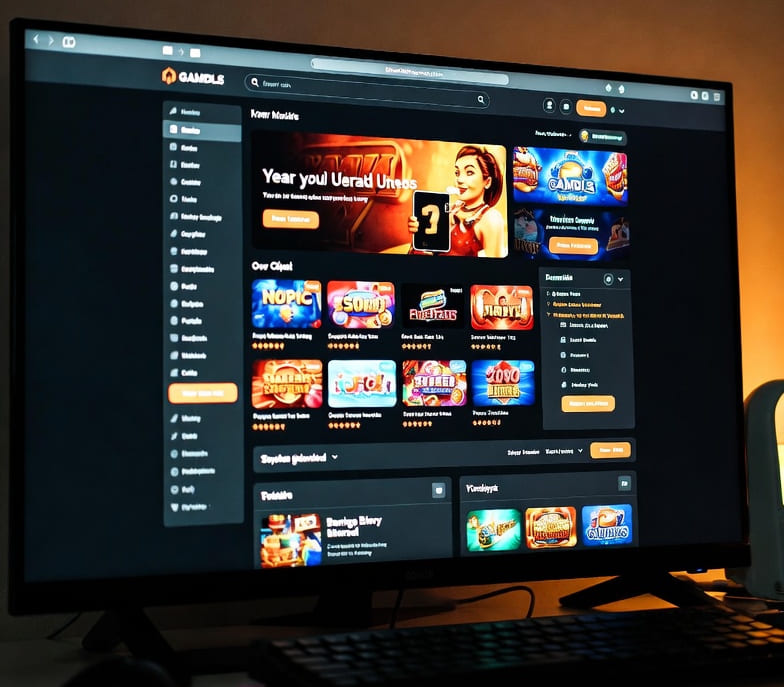
Money changes how people evaluate websites. When you’re browsing recipes or reading news, a cluttered design might be annoying but not alarming. When you’re about to deposit funds and share banking details, visual credibility becomes a hard requirement. Users scan for proof: legitimate payment options, regulatory oversight, real game previews. Sites that provide this visual evidence convert. Sites that don’t, lose traffic to competitors who understood the assignment.
Consider what happens when users visit Jackpot Jill—they encounter game thumbnails that actually show gameplay, payment icons displayed upfront, and bonus terms presented clearly rather than buried. The visuals serve a function beyond decoration. They answer the questions forming in a user’s mind before those questions even become conscious thoughts.
This article breaks down which visual and multimedia elements actually matter in gambling content. We’ll look at what works, what creates problems, and where operators waste effort on assets that don’t move the needle. The approach stays grounded in observable user behavior rather than marketing theory.
Why Visuals Matter
Users compare gambling sites the way they comparison-shop anything else online: quickly, superficially, and with multiple tabs open. An interface that looks dated or disorganized gets eliminated immediately. Missing payment icons raise red flags. Game thumbnails that show nothing useful leave people guessing whether the platform is worth their time.
Research on first impressions confirms what most of us already know intuitively—opinions form in milliseconds. But in contexts involving money, those snap judgments carry extra weight. Users aren’t just evaluating aesthetics. They’re assessing risk. Will my deposit actually reach my account? Are these games rigged? If I win, will they actually let me withdraw?
Good multimedia addresses these concerns without requiring the user to dig through FAQ pages. A withdrawal interface screenshot proves the feature exists and shows what it looks like. A clickable licensing badge confirms regulatory oversight. A short video demonstrating deposit limits shows the operator takes responsible gambling seriously. Each visual element removes a barrier between curiosity and commitment.
The Core Visual Set
Walk through a dozen gambling sites and you’ll notice the same visual elements appearing repeatedly. This isn’t coincidence—it’s pattern recognition. Users expect certain signals, and operators who skip them pay a conversion penalty.
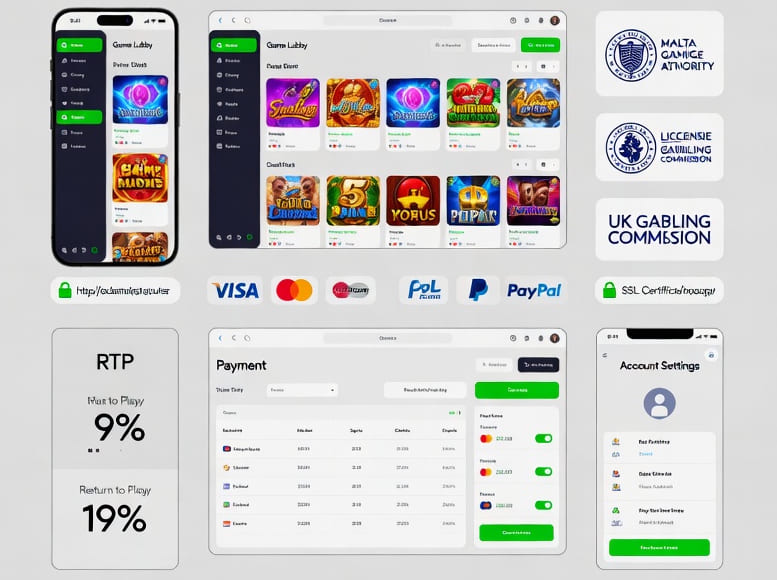
Screenshots form the foundation. People want to see game lobbies, payment dashboards, mobile interfaces, account settings—anything that answers “what will this actually look like once I sign up?” Beyond screenshots, the standard toolkit includes payment method logos, licensing seals, SSL certificates, promotional graphics, and responsible gambling icons. Some operators add RTP charts, withdrawal timeline infographics, and KYC process diagrams.
- Game thumbnails showing actual gameplay rather than generic slot machine stock photos
- Payment logos for every supported method, displayed where users make deposit decisions
- Licensing badges that link to verifiable regulatory pages instead of dead-ending
- Interface screenshots of dashboards, withdrawal flows, and settings menus
- Mobile app previews because half your users are evaluating the mobile experience
- Promotional banners that include expiration dates and visible terms, not microscopic footnotes
- Security indicators showing SSL encryption and data protection measures
- Responsible gambling icons with visual proof that limits and self-exclusion tools exist
- Help center visuals demonstrating how to complete common tasks
- KYC documentation guides showing what’s needed and why verification matters
- RTP displays and statistics presented as charts rather than walls of numbers
- Support channel previews showing chat interfaces and contact options
Screenshots That Build Trust
A screenshot proves something exists. Users skeptical about withdrawal processes—and many are—want visual evidence that the feature isn’t just marketing copy. The screenshot needs to show enough context to be convincing: navigation elements, menu options, the surrounding interface.
Bad screenshots crop so tightly you can’t tell where you are in the site. You see a withdrawal form floating in white space with no sense of how you’d actually reach it. Better screenshots include the sidebar, the header, the visible path that got you there. The best screenshots add annotations explaining what users are looking at and highlighting key features.
Here’s what different screenshot types accomplish when done properly versus how they typically fail:
| Screenshot Type | What It Proves | Common Mistake | Better Approach |
|---|---|---|---|
| Withdrawal interface | The withdrawal process is real and accessible | Tight crop hiding navigation, making it feel fake | Full interface showing menus, account balance, and clear withdrawal options |
| Game lobby | Game selection is diverse and organized logically | Random stock image of slot machines | Actual lobby with filters, search bar, and recognizable game titles |
| Deposit limits | Responsible gambling tools aren’t just marketing claims | Text description with no visual proof | Settings page showing limit controls and how to adjust them |
| Mobile app | Mobile experience is functional, not an afterthought | Desktop screenshot poorly resized to phone dimensions | Real mobile screenshots showing actual app navigation |
| KYC verification | Verification is straightforward and secure | No visual guide, leaving users to figure it out | Step-by-step images showing upload process and approval stages |
Video Done Right
Some processes don’t translate well to static images. A 30-second clip showing how to navigate account settings or set up deposit limits communicates more clearly than paragraphs of instructions. The challenge is keeping videos useful without making them annoying.
Auto-play videos rank high on the list of user frustrations. They slow page load, consume bandwidth, and startle people browsing in quiet environments. Silent videos with subtitles work better—users can watch without disrupting their surroundings, and the captions improve accessibility for people with hearing impairments.
Videos that actually help include brief game walkthroughs, explanations of how bonuses work, demonstrations of responsible gambling features, and account setup tutorials. These serve clear purposes rather than existing as vague promotional filler. A video showing exactly where to find wagering requirements prevents support tickets. A clip demonstrating the withdrawal process reduces anxiety about whether payouts actually happen.
Performance becomes critical with video content. Large files tank load times and hurt Core Web Vitals metrics that Google uses for rankings. Modern compression formats, lazy loading, and appropriate file sizes keep sites fast. For technical details on optimizing multimedia without sacrificing quality, Google’s web.dev performance documentation covers the specifics thoroughly.
Interactive Media
Interactive elements let users explore at their own pace instead of forcing them through linear content. A calculator showing potential returns based on bet size gives users control. A timeline explaining withdrawal processing sets accurate expectations. A comparison widget for different bonus offers helps people make informed decisions.

The best interactive media stays simple and focused. A slider demonstrating how bet amount affects possible outcomes provides real value. A flowchart showing when KYC verification kicks in clarifies regulatory requirements. These tools answer specific questions proactively, cutting down on support requests and reducing user frustration.
Operators sometimes build flashy interactive features that look impressive in presentations but serve no practical purpose. An animated roulette wheel spinning endlessly might catch attention, but if it doesn’t help users understand odds or terms or processes, it’s just visual noise. Effective interactive content solves a user problem or answers a question they’re actively asking.
Accessibility and Inclusion
Accessible design isn’t optional anymore. Regulations increasingly require it, but beyond compliance, it’s simply the right approach. Visual content needs to work for users with disabilities—text alternatives for images, sufficient color contrast, keyboard navigation support.
Alt text describes images for people using screen readers. Every meaningful image requires descriptive alt text explaining its purpose. Payment icons get labeled. Screenshots describe what they’re showing. Decorative elements get marked as such so they don’t clutter the experience for assistive technology users. A payment method icon labeled just “image” helps no one. An icon with alt text reading “Visa credit and debit cards accepted” actually communicates.
Color contrast affects readability for users with low vision or color blindness. Text needs enough contrast against backgrounds to remain legible—minimum ratios of 4.5:1 for body text and 3:1 for larger text under WCAG guidelines. This applies to buttons, form labels, and interface elements too, not just paragraphs.
The Web Content Accessibility Guidelines (WCAG) spell out detailed requirements for making digital content accessible. These cover everything from alt text and contrast ratios to keyboard navigation and screen reader compatibility—the technical foundation of inclusive design.
Performance and SEO
Heavy images and videos drag sites down. Users won’t wait five seconds for a page to render when competitors load instantly. Google’s Core Web Vitals measure real-world performance, and slow sites rank lower. For gambling operators, this matters—rankings directly affect acquisition costs.
Image format choice has real consequences. WebP and AVIF compress better than older JPEG and PNG formats while maintaining visual quality. Lazy loading defers offscreen images until users scroll to them, speeding up initial page loads. Serving appropriately sized images—different versions for desktop and mobile—prevents wasting bandwidth on oversized files.
Cumulative Layout Shift (CLS) measures how much content jumps around as a page loads. Images without specified dimensions cause text and buttons to shift unexpectedly, frustrating users and hurting rankings. Setting explicit width and height attributes solves this. Largest Contentful Paint (LCP) tracks when main content becomes visible—optimizing hero images directly improves this metric.
| Media Choice | UX Impact | Performance Risk | Safer Default |
|---|---|---|---|
| Auto-playing hero video | Distracting and often muted by users immediately | Large file size, slow LCP, bandwidth waste | Static image or click-to-play video |
| High-resolution screenshots | Sharp on desktop, overkill on mobile devices | Slow mobile load times, unnecessary data usage | Responsive images sized appropriately per device |
| Uncompressed PNG files | No visible benefit over modern compressed formats | File bloat slowing page rendering | WebP or AVIF with appropriate compression |
| Embedded promo videos | Useful if short and relevant, otherwise ignored | Blocks page interaction, increases load time | Lazy-loaded with thumbnail preview |
| Animated GIFs for previews | Shows gameplay but usually low quality | Enormous file sizes, poor compression | Short MP4 video with modern codec |
Compliance and Responsible Presentation
Visual content in gambling faces stricter scrutiny than most industries. Promotional images need visible terms. Bonus graphics should display wagering requirements prominently, not just the flashy headline number. Game screenshots need to represent actual gameplay, not idealized or manipulated versions designed to mislead.
Certain visual approaches create legal problems. Images implying guaranteed wins, downplaying risk, or appearing to target vulnerable populations violate advertising standards in most jurisdictions. Operators balance promotional goals against honest representation—the line isn’t always obvious, but regulators generally know when you’ve crossed it.
Responsible gambling information deserves the same visual prominence as promotional content. Icons for self-exclusion tools, links to support resources, visual reminders about setting limits—these should appear consistently throughout the site. This goes beyond checkbox compliance. It’s ethical operation of a product that can cause genuine harm when misused.
- Misleading win graphics showing stacks of cash or suggesting gambling generates easy income
- Buried bonus terms with conditions appearing in unreadable text sizes or hidden scrolls
- Doctored game screenshots displaying unrealistic results or altered return-to-player percentages
- Artificial urgency timers pressuring users with fake countdowns on bonuses
- Celebrity endorsements lacking disclaimers about paid advertising relationships
- Fake licensing badges that don’t link to verifiable regulatory information
- Hidden responsible gambling links relegated to footer fine print
- Child-appealing imagery using cartoon characters or themes attractive to minors
- Fabricated testimonials with fake user quotes or invented winner stories
- Unverified payout claims lacking any substantiation or context
Where Multimedia Helps Most
Not all pages benefit equally from heavy visual investment. Landing pages need immediate credibility markers—licensing badges, payment icons, game previews. Users decide whether to explore further based almost entirely on these first-glance visuals.
Bonus and promotion pages require crystal-clear visual communication. Users already suspicious of “too good to be true” offers need screenshots showing where wagering requirements appear, graphics illustrating how bonuses actually work, and timelines explaining when offers expire. Visual clarity here reduces confusion and prevents angry support tickets.
Payment pages demand trust-building visuals more than anywhere else. Someone about to deposit money wants to see familiar payment logos, security badges, and clear processing estimates. The withdrawal page especially benefits from interface screenshots and step-by-step visual guides—proof that getting money out is possible and straightforward.
- Homepage hero: Payment logos, licensing badges, featured games with recognizable titles
- Game library: Quality thumbnails, provider logos, visible RTP, demo/play options
- Bonus pages: Visual breakdowns of structure, wagering requirement infographics
- Payment methods: Logos for every option, processing time charts, security seals
- Withdrawal section: Interface screenshots, step-by-step guides, timeline graphics
- KYC verification: Document examples, upload interface, approval flow diagrams
- Responsible gambling: Tool screenshots, self-exclusion guides, support resource icons
- Help center: Annotated screenshots, video tutorials, visual FAQs
- Mobile app pages: App store badges, device screenshots, feature comparisons
- About/licensing: Regulatory logos, certification documents, company info graphics
- Game details: Gameplay screenshots, paytable previews, feature explanations with visuals
- Registration: Progress indicators, security icons, preview of what comes next
A Simple Production Workflow
Managing visual assets across a gambling site requires organization. An asset checklist helps—categories for licensing visuals, payment graphics, interface screenshots, promotional materials, and responsible gambling icons. Without a system, critical elements get overlooked until someone notices the gap.
File naming matters when you’re juggling hundreds of images. A consistent system like “category-description-size-version.format” lets teams find and update assets quickly. Something like “payment-mastercard-icon-medium-v3.webp” immediately tells you what you’re looking at and whether it’s current. Vague names like “image-final-FINAL-v2.jpg” help nobody.
Regular quality checks catch problems before users encounter them. Broken images, badges linking to 404 pages, screenshots that don’t match current interface—these issues undermine credibility fast. Device testing matters especially. An image looking perfect on desktop might render pixelated on mobile, or worse, not load at all.
Different assets need different update frequencies. Game thumbnails change as libraries expand. Promotional graphics expire with campaigns. Licensing badges require periodic verification. Interface screenshots need updates whenever features change meaningfully. For mobile platforms like the Jackpot Jill app, keeping screenshots current ensures users see accurate previews before downloading.
| Asset Category | Owner/Responsible Team | Review Step | Update Cadence |
|---|---|---|---|
| Licensing badges | Compliance team | Verify links work and dates are current | Quarterly or when license renews |
| Game thumbnails | Content team | Confirm images match actual games | Monthly or when adding new titles |
| Payment method icons | Payment operations | Ensure all supported methods shown, remove deprecated ones | Quarterly or when providers change |
| Interface screenshots | Product team | Update after UI changes, test across devices | After each major release |
| Promotional banners | Marketing team | Check terms display correctly, verify expiration | Per campaign cycle |
| Help center visuals | Support team | Confirm accuracy with current processes | Quarterly or when processes change |
Conclusion
Good visuals reduce doubt. They answer unasked questions and provide proof where text falls short. In gambling, where trust determines whether someone deposits money, effective multimedia becomes essential infrastructure rather than optional polish.
Sites that get this right treat visual content as functional communication. Every screenshot serves a purpose. Every video answers a question. Every icon builds incremental trust. This approach yields better conversion, fewer support tickets, and stronger retention.
Visual credibility isn’t built overnight, but it erodes in seconds when execution is careless.